
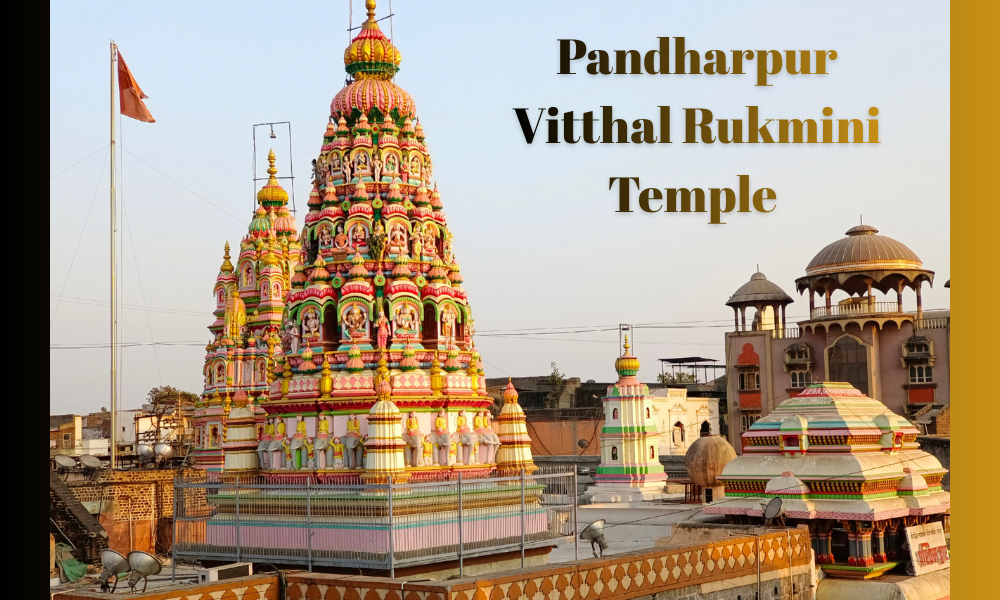
The Pandharpur Vitthal Rukmini Temple, located in Solapur district of Maharashtra, is one of the most sacred pilgrimage sites in India. Revered as the spiritual heart of the Varkari movement, this temple is dedicated to Lord Vitthal (Vithoba), a form of Lord Krishna, and his consort Goddess Rukmini. Every year, millions of devotees visit Pandharpur to seek blessings, chant the Lord’s name, and experience an atmosphere filled with devotion, music, and faith.
Often called the “Spiritual Capital of Maharashtra,” Pandharpur holds immense religious, cultural, and historical importance.
Significance of Pandharpur Vitthal Rukmini Mandir
The Pandharpur temple is unique in many ways. Unlike most Hindu temples, Lord Vitthal stands on a brick with hands on his hips, waiting patiently for his devotees. This posture symbolizes accessibility, compassion, and equality values strongly emphasized in the Bhakti tradition.
Devotees lovingly refer to the deity as “Mauli” or “Panduranga,” seeing him not just as a god, but as a close companion and guide.
Mythological Importance of Pandharpur Vitthal Rukmini Temple
According to legend, Lord Krishna came to Pandharpur to bless his ardent devotee Pundalik, who was serving his parents. When the Lord arrived, Pundalik asked him to wait on a brick while he completed his duty. Pleased by his devotion, Lord Krishna stayed there permanently in the form of Vitthal.
Goddess Rukmini, upset by Lord Vitthal’s long stay with devotees, followed him to Pandharpur and resides in a separate temple nearby. This divine story highlights the importance of devotion, humility, and selfless service.
Architecture of Vitthal Rukmini Temple
The Pandharpur Vitthal Rukmini Temple reflects a blend of Yadava and Hemadpanthi architectural styles. Built mainly from black stone, the temple structure is simple yet spiritually powerful.
Key Architectural Features:
Sanctum (Garbha Griha): Houses the idol of Lord Vitthal
Rukmini Mandir: Located a short walk from the main temple
Namdev Payari: The steps named after Saint Namdev, where devotees bow before entering
Chandrabhaga River Ghat: Holy River flowing beside the temple
The idols of Vitthal and Rukmini are adorned with gold ornaments, tulsi garlands, and traditional attire, creating a divine visual experience.
The Varkari Movement and Pandharpur
Pandharpur is the central pilgrimage destination of the Varkari sect, a devotional movement that emphasizes equality, simplicity, and devotion through music and poetry.
Saints like:
Sant Dnyaneshwar
Sant Tukaram
Sant Namdev
Sant Eknath
played a vital role in spreading Vitthal bhakti through abhangas (devotional songs) written in Marathi.
Ashadhi and Kartiki Wari – Grand Pilgrimages
The most important events at Pandharpur are the Wari pilgrimages, held twice a year:
Ashadhi Ekadashi (June–July)
Kartiki Ekadashi (October–November)
During these times, lakhs of Varkaris walk hundreds of kilometers carrying palkhis (palanquins) of saints to reach Pandharpur. The town transforms into a vibrant sea of devotion, chanting “Vitthal Vitthal!”
These pilgrimages symbolize discipline, unity, devotion, and spiritual equality.
Daily Rituals and Darshan
The temple follows a strict schedule of daily rituals:
Kakad Aarti (early morning)
Mahapuja
Shej Aarti (night ritual)
Devotees often wait for hours to get a glimpse of the deity, believing that even a moment of darshan brings spiritual fulfillment.
Touching the feet of Lord Vitthal is considered especially sacred, symbolizing surrender and humility.
Rukmini Devi Temple
The Rukmini Temple, located about 1 km from the Vitthal Mandir, is dedicated to Goddess Rukmini. According to belief, devotees should first visit Rukmini Devi before seeking Lord Vitthal’s darshan.
The temple is peaceful and less crowded, offering devotees a calm space for prayer and reflection.
Chandrabhaga (Bhima) River
Flowing beside the temple, the Chandrabhaga River (also known as Bhima River) is considered holy. Devotees take a ritual bath in the river before entering the temple, believing it purifies the soul.
The river ghat adds scenic beauty and spiritual depth to the Pandharpur pilgrimage.
Best Time to Visit Pandharpur
October to March: Pleasant weather, ideal for general visits
Ashadhi & Kartiki Ekadashi: Best for experiencing spiritual grandeur (very crowded)
Visitors seeking a quieter experience should avoid peak pilgrimage days.
How to Reach Pandharpur
By Road: Well-connected to Solapur, Pune, and Mumbai
By Rail: Pandharpur Railway Station has regular trains
By Air: Nearest airport is Solapur or Pune
Local transport and accommodation are easily available, especially for pilgrims.
Accommodation and Facilities Pandharpur offer:
Dharamshalas and Bhakta Niwas
Budget hotels and lodges
Free or low-cost meals during festivals
The town is well-prepared to host large numbers of pilgrims year-round.
Conclusion
The Pandharpur Vitthal Rukmini Temple is not just a place of worship it is a living symbol of devotion, equality, and spiritual love. From ancient saints to modern devotees, the temple continues to inspire millions through its simple yet powerful message: true devotion lies in humility and service.
A visit to this sacred town leaves every pilgrim with peace in the heart and the divine echo of “Vitthal Vitthal” resonating within.