
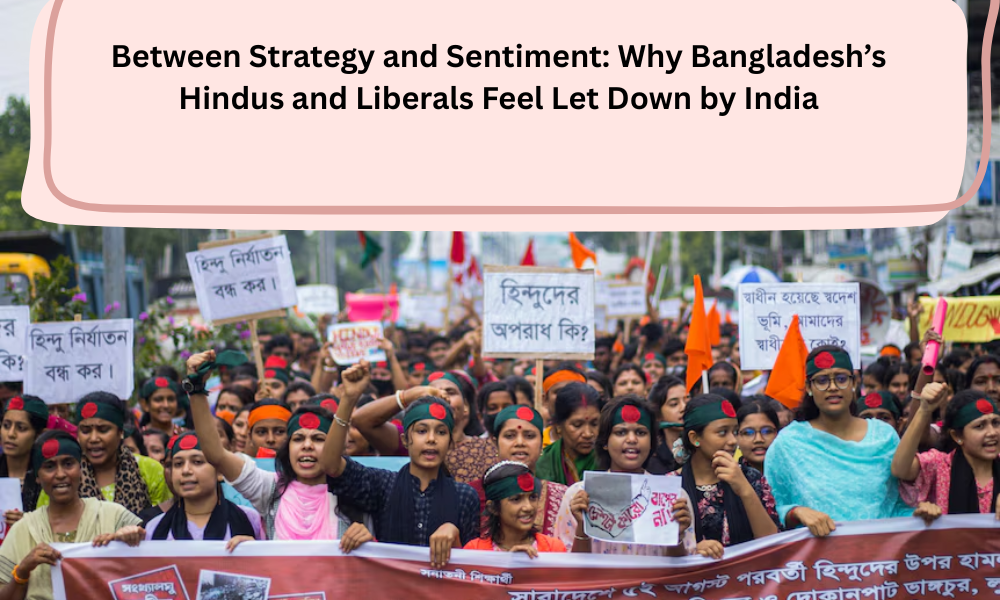
India’s shifting political engagement in Bangladesh has created discomfort, especially among the Hindu and liberal sections of Bangladesh. As India seems to be shifting gears in its political engagement with Bangladesh, especially with the growing influence of the BNP and Islamist party Jamaat-e-Islami, many in Bangladesh who till now considered India as their true friend and ally seem to be feeling insecure and deserted. The painful memories of the BNP-Jamaat regime seem to be haunting Bangladesh once again, and this is not just a political issue, it’s a matter of trust, history, and survival for minority groups and liberals in Bangladesh.
The 2001-2006 BNP-Jamaat Era: A Painful Memory Still Influencing the
The period between 2001 to 2006 under BNP-Jamaat-e-Islami is a trauma-filled episode for Bangladesh’s Hindu and liberal citizens. A series of attacks became a common phenomenon against not only Hindu citizens, but Awami League supporters as well. Hundreds of Hindu females were raped, while thousands were forced to flee the country as minorities underwent a period of active persecution. The era was not new to a repetition of similar events, as it was experienced during Khaleda Zia’s first term between 1991 to 1996. For a while, Bangladesh was reportedly a sanctuary for anti-India militants, with many terrorists from India’s northeast states as well as radical groups active on Bangladeshi soil. The seizure in Chattogram in 2004, allegedly handled by groups linked to Tarique Rahman, further fueled Indian security officials’ suspicion against Bangladesh. The events have continued to linger in the minds of contemporary minorities, as the episode under BNP-Jamaat rule seems too recent to forget.
Changes in India’s Political Strategy toward the BNP & Jamaat
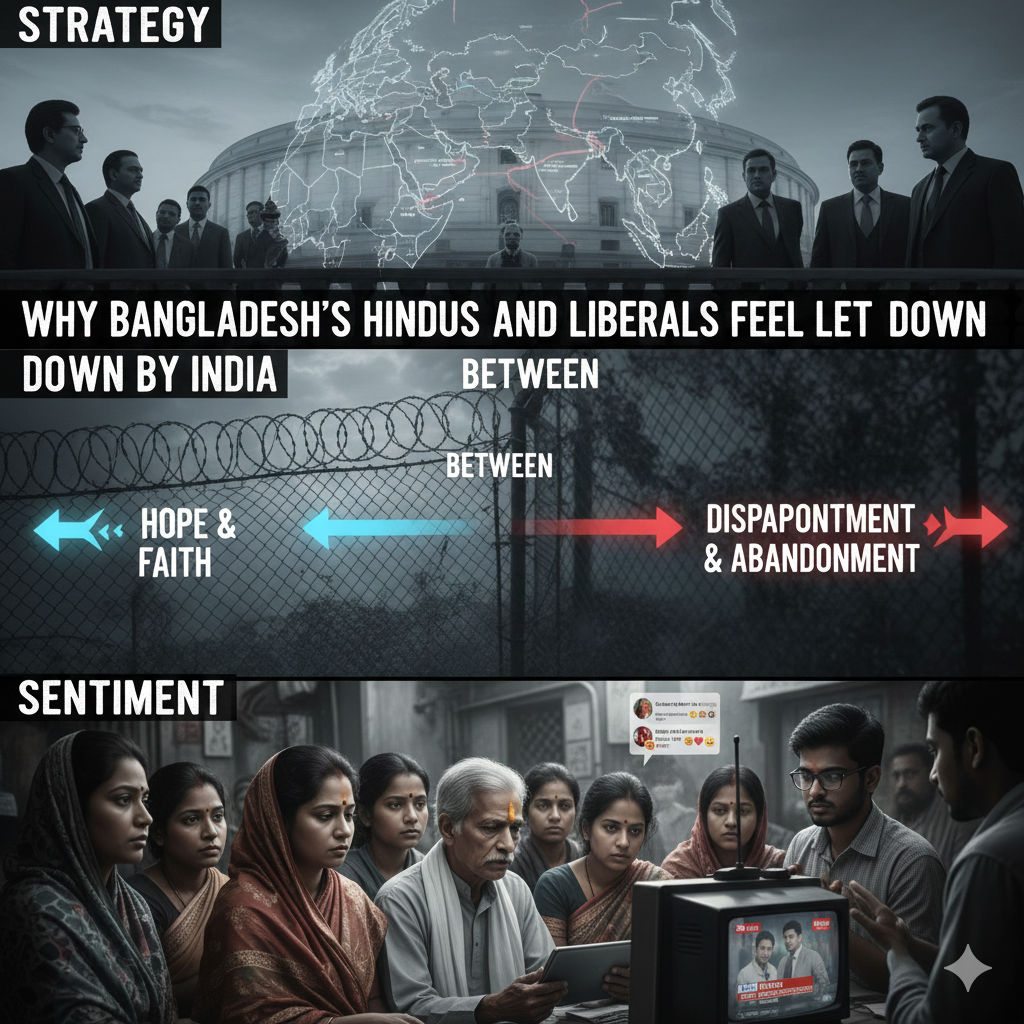
Recent events have shown that New Delhi has changed its strategy to respond to changes in the politics of Bangladesh. It appears that after the removal of Sheikh Hasina in August 2024 and the exclusion of the Awami League from the election process, the BNP has become the leading party. Following the death of Khaleda Zia on December 26, 2025, India’s appointment of External Affairs Minister S. Jaishankar to Dhaka was seen as a major political signal. Minister Jaishankar also met with Tarique Rahman, who had recently returned from an exile of over 17 years, leading to speculation that India is fostering relationships with the BNP. Adding fuel to these speculations was the evidence of New Delhi making overtures to Jamaat leaders and suggesting that India is willing to move towards them as well. While India had previously maintained a firm message of advocating for an “inclusive” election, this messaging seems to have lessened over the past few months. For many people in Bangladesh, these changes indicate a pragmatic shift in India’s policy in order to protect its strategic interests, even if they cause unease among former traditional allies.
Awami League, Secularism, and the Pro-India Liberal Base
The Awami League has traditionally been linked with secularism, Bengali culture/nationalism and India. The party has its origins in the Bangladesh Liberation War, when a group of secular leaders fought for the right to self-determination from West Pakistan; whereas Jamaat-e-Islami aligned themselves with the West Pakistani military in their campaigns of genocide against the Hindus of East Pakistan. During this tumultuous time many of the writers, intellectuals, liberals and minorities turned to the Awami League as a bulwark for pluralism and preservation of a national identity. Although Sheikh Hasina’s subsequent reign has been marred by accusations of authoritarianism and excessive use of force/no evidence was produced indicating that minorities were systematically targetted while under the AWAMI League’s rule than there has been of them being victimised under the BNP/Jamaat coalition. In the 2001 parliamentary elections, the Awami League obtained approximately 40% of the popular vote which represented considerable support for the party’s political philosophy. For the majority of these voters — the overwhelming majority of whom are liberal/benign pro-India supporters and many of whom are Hindu — were provided with the jewel of comfort and security of historically proven military support by India.
The Development of a Feeling of Abandonment: A Historical Perspective on India’s Role in Bangladesh
India is perceived by many Hindu and liberal Bangladeshis to have turned away from being an important unit of support. Events in Bangladesh in the past couple of years have led many Hindus in Bangladesh and India to feel that India has abandoned them, as they no longer view it as a key ally. There is a long history between India and Bangladesh, as India played a major role in Bangladesh’s formation as a country in 1971, sheltered Bangladeshi leaders during periods of crisis, and provided asylum to Sheikh Hasina following her coup in 2024. The events in recent years suggested to many that the ruling party (the Awami League) was aligned with India and that India would be a strong friend and ally of the Awami League and the people of Bangladesh. Perceived overtures to the BNP and reports of meetings with Jamaat leaders have made Hindus in Bangladesh feel betrayed. The percentage of Hindus in the population of East Pakistan has decreased from 28% in 1947 to 7.95% in 2022, resulting in a loss of political power. Therefore, there is much skepticism among the Hindu community regarding where India’s long-standing civilisational responsibility and obligation to Bangladesh and the Bangladeshis align with India’s short term strategic interests and how that affects both communalism and emotional trust.
Conclusion
The recalibration by India in Bangladesh may be driven by strategy, but for Hindus and liberals in Bangladesh, it is almost as if they have lost the security that they have enjoyed in the past. The memories of persecution are still vivid in the minds of Bangladeshis. The current uncertainties have caused trust to emerge as the critical issue. The real issue for New Delhi is the need to strike the correct balance while keeping its strategic and emotional ties in mind with Bangladesh.