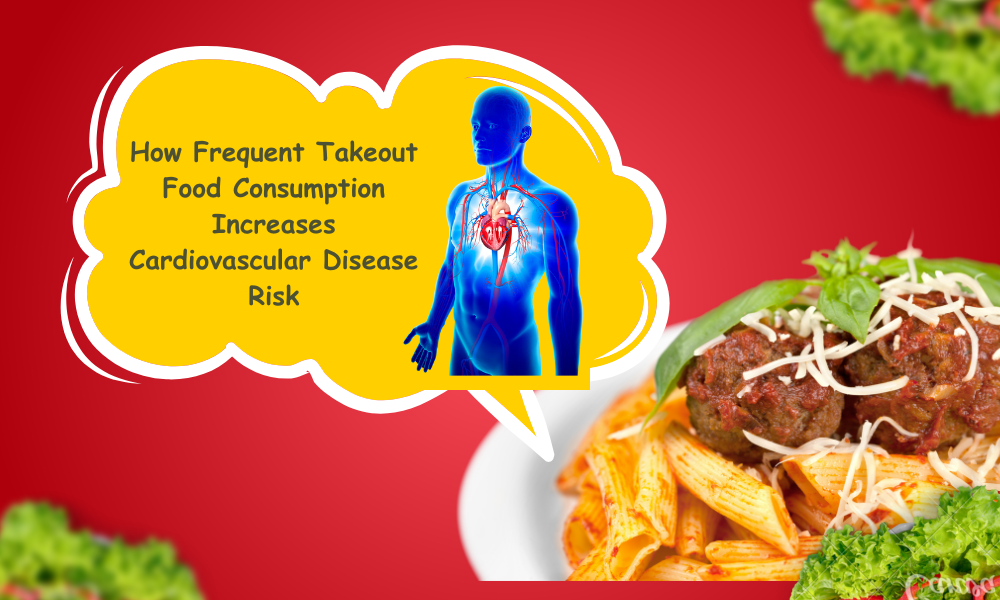
In today’s fast-paced lifestyle, takeout food has become more than just an occasional indulgence it is a daily habit for many people. With food delivery apps just a tap away, convenience often outweighs concerns about nutrition. While ordering meals from restaurants saves time and effort, frequent consumption of takeout food may pose serious risks to heart health. A growing body of research suggests that regularly eating takeout or restaurant food is associated with a higher risk of cardiovascular diseases (CVD), including heart attacks, hypertension, and stroke.
Understanding how takeout food affects the heart can help individuals make smarter dietary choices and protect long-term health.
What Is Cardiovascular Disease?
Cardiovascular disease refers to a group of disorders that affect the heart and blood vessels. These include:
Coronary artery disease
High blood pressure (hypertension)
Heart failure
Stroke
Atherosclerosis (plaque buildup in arteries)
Diet plays a crucial role in either preventing or accelerating these conditions. Foods high in unhealthy fats, sodium, sugar, and calories can strain the heart over time, increasing the risk of serious complications.
Why Takeout Food Is So Popular
The popularity of takeout food is not surprising. Busy schedules, long working hours, urban lifestyles, and aggressive food delivery marketing have made restaurant meals easily accessible. Takeout offers:
Convenience and time savings
Variety of cuisines
Affordable meal deals
No cooking or cleanup
However, what is convenient in the short term may come at a long-term cost to health, particularly when takeout becomes a routine rather than an occasional treat.
High Sodium Content and Blood Pressure
One of the biggest concerns with takeout food is its excessive sodium content. Restaurants often use large amounts of salt, soy sauce, seasoning blends, and preservatives to enhance flavor and shelf life.
Excess sodium intake can:
Increase blood pressure
Cause fluid retention
Put extra strain on the heart and blood vessels
High blood pressure is a major risk factor for cardiovascular disease. Regularly consuming salty takeout meals can silently push blood pressure levels beyond healthy limits, often without noticeable symptoms.
Unhealthy Fats and Cholesterol Levels
Many takeout foods are prepared using refined vegetable oils, butter, ghee, or partially hydrogenated fats. Fried foods, fast food burgers, pizzas, creamy gravies, and desserts often contain:
Saturated fats
Trans fats
These fats raise LDL (bad) cholesterol and lower HDL (good) cholesterol, contributing to plaque buildup in arteries. Over time, this narrows blood vessels, reduces blood flow, and increases the risk of heart attacks and strokes.
Excess Calories and Weight Gain
Portion sizes in takeout meals are usually larger than home-cooked meals. Combined with high fat and sugar content, this leads to excess calorie intake.
Frequent overeating contributes to:
Weight gain and obesity
Increased body fat
Metabolic disorders
Obesity is strongly linked to cardiovascular disease, as it increases inflammation, insulin resistance, and strain on the heart. People who rely heavily on takeout food are more likely to consume more calories than they realize.
Added Sugars and Hidden Ingredients
Many restaurant foods—especially beverages, sauces, desserts, and baked items—contain hidden sugars. Excess sugar consumption can:
Increase triglyceride levels
Promote insulin resistance
Raise the risk of type 2 diabetes
Diabetes and heart disease are closely connected. Elevated blood sugar levels damage blood vessels and accelerate the development of cardiovascular problems.
Lack of Nutritional Balance
Home-cooked meals often include a balance of vegetables, whole grains, lean proteins, and healthy fats. In contrast, takeout meals tend to be:
Low in fiber
Low in essential vitamins and minerals
High in refined carbohydrates
A diet lacking fiber and micronutrients can negatively affect cholesterol levels, gut health, and inflammation—factors that directly influence heart health.
Impact on Long-Term Heart Health
Studies have shown that people who eat restaurant or fast food multiple times a week have a higher risk of:
Hypertension
Elevated cholesterol
Obesity
Cardiovascular events
The impact may not be immediate, but the cumulative effect over years can significantly increase the likelihood of heart disease. Young adults who frequently consume takeout may develop early signs of cardiovascular risk much sooner than expected.
Psychological and Lifestyle Factors
Frequent takeout consumption is often associated with other unhealthy lifestyle habits, such as:
Sedentary behavior
Irregular meal timings
Stress eating
Reduced physical activity
These factors further compound cardiovascular risk. Mindless eating while working or scrolling on screens can also lead to overeating and poor digestion.
How to Reduce Cardiovascular Risk While Eating Takeout
Completely avoiding takeout may not be realistic for everyone. However, smart choices and moderation can significantly reduce health risks.
- Limit takeout meals to once or twice a week
- Choose grilled, baked, or steamed options instead of fried foods
- Request less salt and oil when possible
- Avoid sugary drinks; opt for water or fresh juices
- Control portion sizes—save half for later
- Balance takeout meals with home-cooked, nutrient-rich foods
Making conscious decisions can help enjoy takeout without compromising heart health.
The Importance of Home-Cooked Meals
Cooking at home allows better control over:
Ingredients
Cooking methods
Portion sizes
Nutritional balance
Home-cooked meals are generally lower in sodium, unhealthy fats, and added sugars. They also encourage mindful eating and healthier food habits, both of which support cardiovascular well-being.
Conclusion
While takeout food offers undeniable convenience, frequent consumption can increase the risk of cardiovascular disease due to high sodium, unhealthy fats, excess calories, and poor nutritional balance. Over time, these factors contribute to hypertension, obesity, high cholesterol, and heart-related complications.
The key lies in moderation and awareness. By limiting takeout meals, making healthier choices, and prioritizing home-cooked food, individuals can significantly reduce cardiovascular risk and protect their heart health. In the long run, investing time in healthier eating habits is far more rewarding than the temporary convenience of frequent takeout.